












































Effective Ways to Tackle Stubborn Scalp Flakes for Good

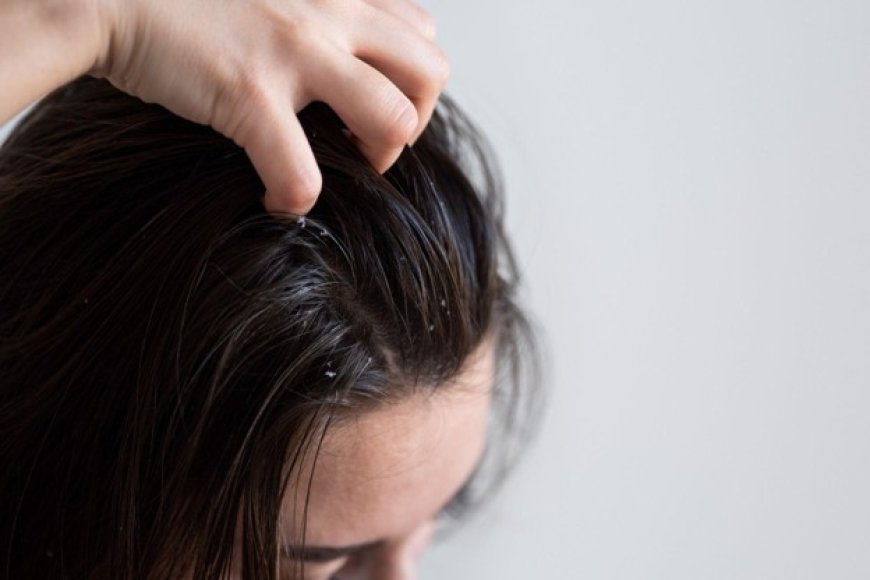
Scalp flakes are one of those things that seem minor until they're not. You notice them on your shoulders, feel that persistent itch, and no matter how often you wash your hair, they keep coming back. If that sounds familiar, you're not alone — and more importantly, you're probably going about treatment the wrong way.
Why Scalp Flakes Aren't Just a Hygiene Problem
This is the first thing worth clearing up. Most people assume dandruff means a dirty scalp. In reality, people who wash their hair daily can still deal with flakes. The root cause isn't dirt — it's an imbalance in the scalp's environment.
The scalp naturally sheds dead skin cells, just like the rest of your skin. But when a yeast-like fungus called Malassezia grows too rapidly on the scalp, it speeds up the skin cell turnover cycle. Cells shed faster than they can be replaced, and those excess cells clump together and become visible as flakes. This fungus feeds on the natural oils your scalp produces, which is why people with oilier scalps tend to be more prone to it.
What Actually Triggers the Flare-Ups
Even if someone has a tendency toward dandruff, it doesn't always show up the same way. Certain things push it over the edge:
● Stress, which affects how much oil your sebaceous glands produce
● Hormonal shifts, especially around puberty, pregnancy, or thyroid imbalances
● Cold, dry weather that disrupts the scalp's moisture barrier
● Harsh shampoos that strip the scalp and cause reactive oiliness
● Nutritional gaps — particularly low zinc, B vitamins, and omega-3s
These triggers don't cause dandruff on their own, but they make existing flakiness significantly worse. Understanding which ones apply to you is part of figuring out an effective approach.
The Problem With Most Anti-Dandruff Shampoos
Walk into any pharmacy and you'll find a shelf full of anti-dandruff shampoos. Most of them work — but only temporarily. They contain ingredients like zinc pyrithione or selenium sulfide that suppress fungal activity while you're using them. The moment you stop or switch, the flakes come back.
That's not a flaw in the product, exactly. It's just that shampoo alone addresses the surface symptom, not the scalp condition beneath it. Long-term control requires understanding how to remove dandruff at a deeper level — treating the scalp environment rather than just washing away what's visible.
Building a Scalp Routine That Actually Holds
The most sustainable way to manage stubborn flakes is to think of it like maintaining skin health, not just cleaning hair. A few consistent habits make a real difference:
● Wash your hair two to three times a week — not every day, which can over-dry the scalp, and not once a week, which lets oil build up
● Use lukewarm water rather than hot, since hot water increases scalp irritation
● Massage your scalp gently while washing to help loosen dead skin and improve circulation
● After washing, make sure your scalp dries completely — a damp scalp creates the warm, moist environment Malassezia loves
● Avoid heavy, oil-based styling products that can clog follicles and feed fungal growth
Diet also plays a quieter but real role. Adding foods rich in zinc (pumpkin seeds, chickpeas), biotin (eggs, nuts), and omega-3s (flaxseeds, walnuts) supports overall scalp health from within.
When to Look Beyond Home Remedies
If you've tried switching shampoos, adjusting your routine, and managing stress — and the flakes persist or get worse — it's worth looking at whether there's an underlying condition driving it. Seborrheic dermatitis, psoriasis, or contact dermatitis can all present with flaking but require different treatment approaches. A dermatologist can differentiate these fairly quickly.
For those looking for a more complete, root-cause approach without jumping straight to clinical intervention, the Traya Anti-Dandruff Solution is formulated to address scalp fungal activity while supporting the scalp's natural balance — which is a more thoughtful approach than most off-the-shelf options.
Final Thoughts
Stubborn scalp flakes rarely have a single, simple fix. They're usually the result of multiple factors compounding over time — scalp imbalance, lifestyle habits, diet, and sometimes genetics. The good news is that once you understand what's actually driving the problem, managing it becomes much more straightforward. Start with your scalp environment, not just the symptoms sitting on top of it.
What's Your Reaction?
 Like
0
Like
0
 Dislike
0
Dislike
0
 Love
0
Love
0
 Funny
0
Funny
0
 Angry
0
Angry
0
 Sad
0
Sad
0
 Wow
0
Wow
0