

















Sampla Alleges Political Vendetta After Fresh SIT Notice, Reaffirms Cooperation with Probe

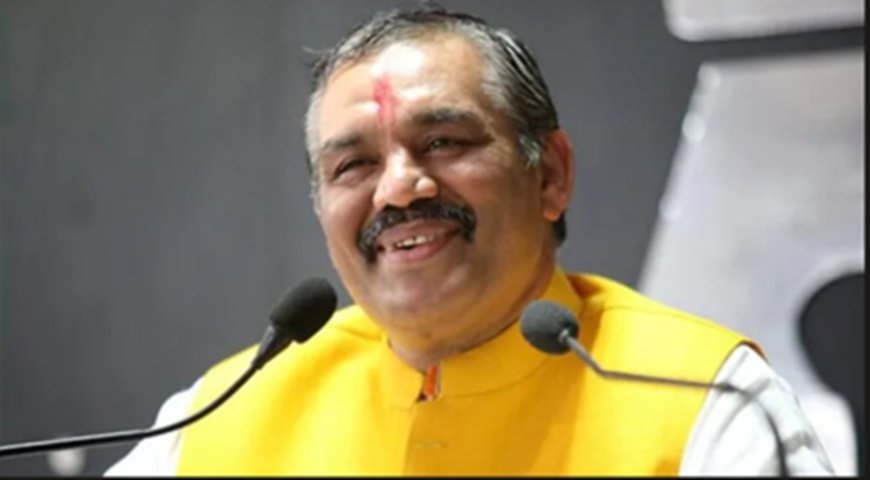
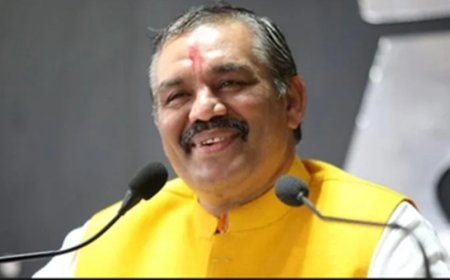
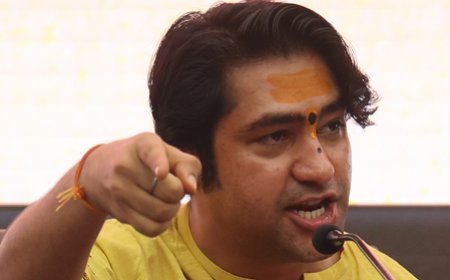
PHAGWARA: Former Union Minister and senior BJP leader Vijay Sampla has alleged that the functioning of the Special Investigation Team (SIT) appears to be an instrument of political pressure rather than an impartial investigation, while reaffirming his willingness to cooperate fully with the ongoing probe.
In a statement issued on Sunday, Sampla said he had already appeared before the SIT, cooperated with the investigation, and submitted a written assurance that he would continue extending full cooperation at every stage of the proceedings. Despite this, he said, the SIT had issued him another notice.
He further alleged that despite repeated requests, the SIT had not provided copies of the documents, records, or communications on the basis of which his explanation was being sought or on which his alleged signatures were being relied upon. According to Sampla, seeking an explanation without first furnishing the relevant documents runs contrary to the principles of natural justice and due process of law.
Sampla stated that he had informed the SIT in writing that he would be unable to appear on July 6 because of prior unavoidable commitments. However, he said he has confirmed his appearance before the investigating team on July 7 and reiterated his commitment to cooperate with the inquiry.
Alleging political vendetta, Sampla claimed that the Aam Aadmi Party-led Punjab Government was attempting to divert public attention from pressing public issues. He further alleged that following the recent decision of Sri Akal Takht Sahib concerning the Chief Minister, and the criticism surrounding the proposed legislation related to the sacrilege of Sri Guru Granth Sahib Ji, the government was facing significant moral and political pressure. According to him, issuing notices to opposition leaders, particularly those associated with the Bharatiya Janata Party, was an attempt to shift the public narrative.
The former Union Minister also asserted that the BJP, as the world's largest political party, was serving people through governments in a majority of Indian states, and alleged that targeting its leaders was an effort by the Punjab Government to divert attention from its own governance challenges.
Highlighting issues facing the state, Sampla said Punjab continues to grapple with drug abuse, unemployment, deteriorating law and order, farmers' concerns, and stalled development. He alleged that instead of addressing these matters, the government appeared more focused on pursuing political opponents.
Reaffirming his faith in the Constitution, the judiciary, and the rule of law, Sampla said he welcomed a fair, transparent, and impartial investigation and remained ready to cooperate at every stage. He maintained, however, that the investigation should adhere to the principles of natural justice by providing the relevant documents before seeking any explanation.
Concluding his statement, Sampla said that truth could emerge only through facts, fairness, and an impartial investigation, and not through what he described as political intimidation or vindictive action.
What's Your Reaction?
 Like
0
Like
0
 Dislike
0
Dislike
0
 Love
0
Love
0
 Funny
0
Funny
0
 Angry
0
Angry
0
 Sad
0
Sad
0
 Wow
0
Wow
0