



















Bittu Slams Diljit Dosanjh Over Satluj, Alleges Film Promotes One-Sided Narrative of Punjab Militancy

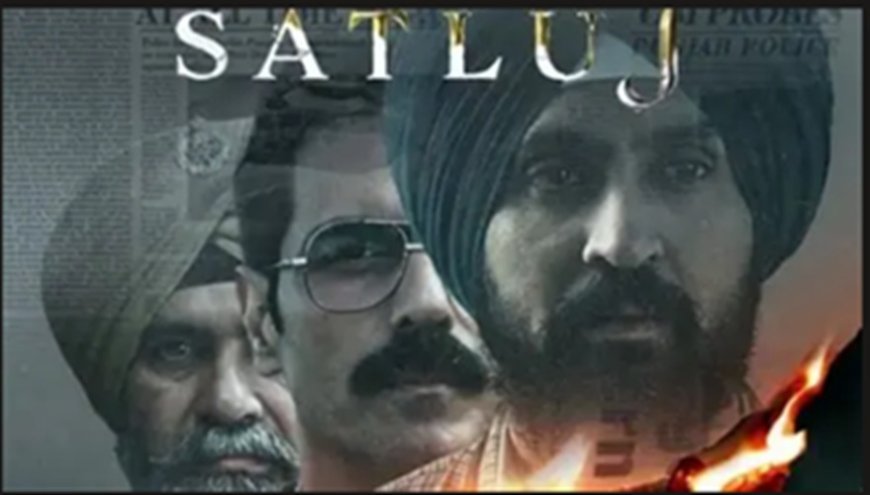
Defends his grand father Beant Singh and Punjab Police for curbing militancy
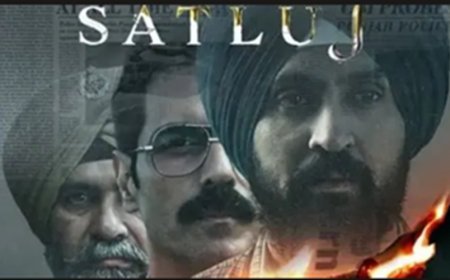
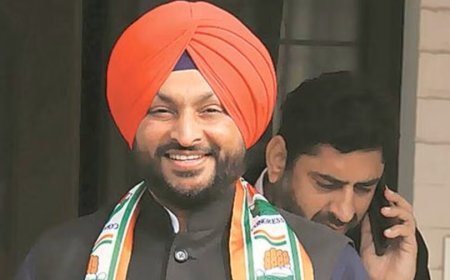
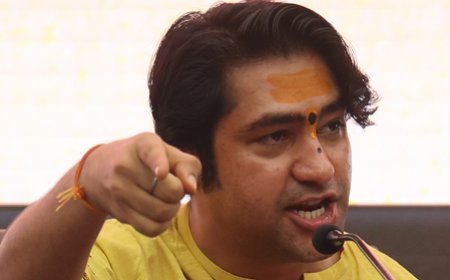
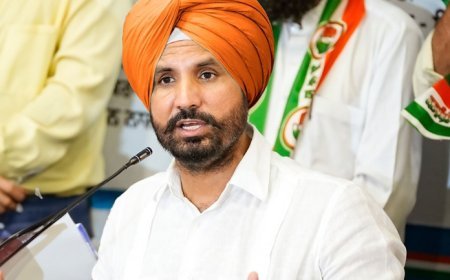
JALANDHAR: Union Minister Ravneet Singh Bittu on Wednesday launched a sharp attack on singer-actor Diljit Dosanjh and the makers of the film Satluj, alleging that the movie presents a one-sided account of Punjab's militancy and seeks to malign those who fought terrorism during one of the state's darkest chapters.
Addressing a press conference at Ludhiana during a private visit, Bittu accused Dosanjh and the film's producers of ignoring the suffering of thousands of innocent people, particularly Hindus and police personnel, who lost their lives during the militancy era. He alleged that the film highlights only the custodial killing of human rights activist Jaswant Singh Khalra while overlooking the violence unleashed by militants.
"The film shows only one side of history. Thousands of Hindus were killed by militants, and many Sikh families also suffered. The police protected the people during those difficult years. Why has that story not been told?" Bittu asked.
He appealed to Hindus to oppose what he termed an attempt to distort history, claiming that such films could create communal divisions and undermine the sacrifices made by security forces during the insurgency.
Defends Beant Singh
Bittu strongly defended the legacy of his grandfather, former Punjab Chief Minister Beant Singh, whose government led the final phase of the anti-insurgency campaign. He rejected any attempt to link Beant Singh with Khalra's disappearance.
He pointed out that Beant Singh was assassinated in a bomb blast on August 31, 1995, whereas Khalra was abducted on September 6, 1995.
"As long as my grandfather was alive, no case relating to Khalra had been registered. How can he be held responsible for what happened after his death?" Bittu said.
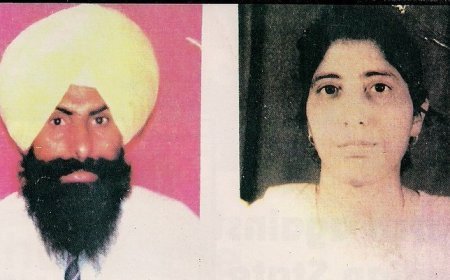
Khalra, a prominent human rights activist, was abducted and later killed after exposing the alleged illegal cremation of unidentified bodies by Punjab Police during the militancy period. The film Satluj portrays his investigation into the cremation cases and his subsequent custodial killing.
'Police Saved Punjab'
Recalling the years of militancy, Bittu said militants dictated social behaviour, imposed dress codes and spread fear across Punjab.
He alleged that school-going girls were forced to follow dress codes imposed by militants and ordinary citizens lived under constant threat.
"I can take the media to families whose members were killed by terrorists. Many police officers laid down their lives while fighting militancy. Who will make films on their sacrifice?" he asked.
He cited the sacrifices of senior police officers, including IPS officers K.P.S. Gill and Arvind Singh Brar, saying security personnel risked and lost their lives to restore peace in Punjab.
Targets Diljit Dosanjh
Bittu accused Dosanjh of playing a "double game", alleging that the actor had earlier faced opposition from pro-Khalistan groups but was now promoting a film that, according to him, sympathised with separatist narratives.
He claimed that the actor and producer Honey Trehan had earned money by exploiting Punjab's painful history without any concern for the state's social harmony.
"As long as I am here, I will not allow anyone to disturb Punjab's peace," Bittu said.
He further claimed that Satluj had been uploaded on the OTT platform independently and that the Union Government had no role in its subsequent removal.
Raises Chamkila Issue
The Union minister also referred to the film Amar Singh Chamkila, alleging that singer Amar Singh Chamkila had popularised vulgar songs and questioning why such a figure had been glorified in cinema.
He urged BJP leaders in Punjab to oppose films that, according to him, promote communal hatred or present a distorted version of history.
Says Films Demoralise Police
Bittu argued that films portraying police excesses without presenting the larger context discourage law enforcement agencies.
He said Punjab was currently witnessing a rise in drug trafficking and gangster activity because the police had become hesitant in taking strong action.
"The younger generation has not witnessed the violence of the 1980s and 1990s. Such films present only selective facts and can mislead them," he said.
He added that the controversy had attracted nationwide attention because of Diljit Dosanjh's popularity, with many young people questioning on social media why the film had been taken down from the OTT platform.
What's Your Reaction?
 Like
0
Like
0
 Dislike
0
Dislike
0
 Love
0
Love
0
 Funny
0
Funny
0
 Angry
0
Angry
0
 Sad
0
Sad
0
 Wow
0
Wow
0