





























Walking Above the Clouds: A Real Story Guide to Climbing Kilimanjaro

Introduction – Why People Want to Climb Kilimanjaro
To climb Kilimanjaro is not only about mountains. It is about feeling small and strong together. Many people dream of this mountain for many years; some see pictures, some hear stories, and some just feel a calling from inside their hearts. Mount Kilimanjaro is in Tanzania, Africa, standing alone and tall, like a king with a white crown. It is the highest mountain in Africa and one of the most famous walking mountains in the world. What makes Kilimanjaro special is that you do not need rope or climbing skills. Normal people, office workers, teachers, students, and even grandparents—they all come to climb Kilimanjaro. It is hard, yes, but it is possible. Step by step, slow breath, slow walk, strong mind.
Understanding Mount Kilimanjaro—The Mountain with Many Faces
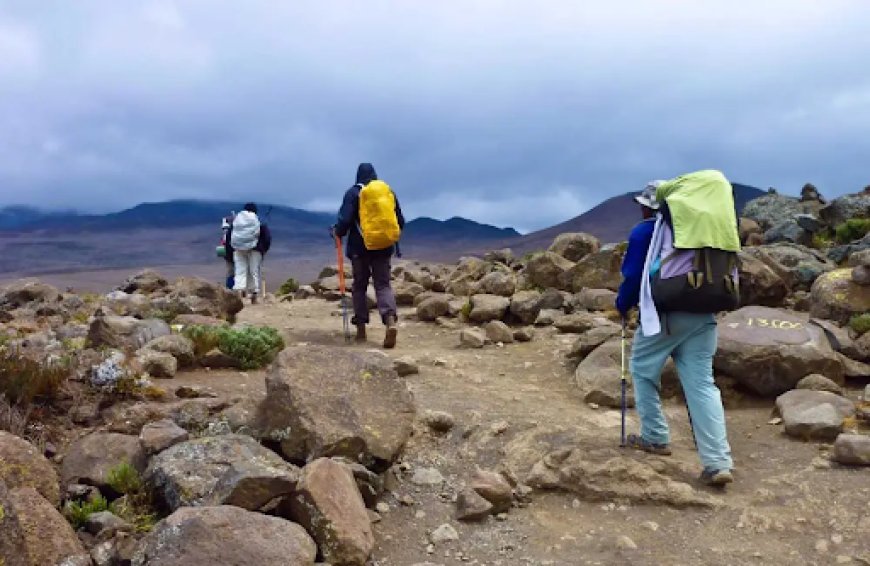
Mount Kilimanjaro has three volcanic cones: Kibo, Mawenzi, and Shira. Kibo is the highest, and Uhuru Peak is the top point. When people say they climb Kilimanjaro, they mean they go to Uhuru Peak, 5,895 meters high. On one mountain, you walk through many climates. The first day felt like a forest walk, with green trees and bird sounds. Then you move to moorland, open land, and cold wind. After that alpine desert, dry, quiet, moon-feeling. Last are ice, snow, thin air, and very slow walking. This change makes Kilimanjaro very special. One mountain, many worlds.
What It Really Means to Climb Kilimanjaro

Many people think climbing Kilimanjaro is only physical. But the real fight is inside the head. Your legs walk, but your mind decides. You wake up early, sleep in a tent, eat simple food, and walk many hours every day. Some days feel easy; some days feel heavy like stone. Altitude is the main challenge. The air becomes thin. Headache, tiredness, and slow steps. This is why slow walking is key. Guides always say “pole pole” means slowly slowly. No joke, this is the secret of success. Climbing Kilimanjaro is more about patience than power.
Routes to Climb Kilimanjaro – Different Ways to the Same Sky
There are many routes to climb Kilimanjaro. Each route has its own feeling, view, and difficulty.
Marangu Route
This is an old and popular route. Also called the Coca-Cola route. It has huts instead of tents. Many people choose it because sleep feels easy. But it is short, so there is less time to adjust altitude. The success rate is lower.
Machame Route
Also called the Whiskey route. Very beautiful and popular. It is harder than Marangu but longer, so it is better for acclimatization. Many climbers choose this route.
Lemosho Route
This is very scenic and quiet. Start far from crowds. Long route, high success rate. The cost is a little higher but worth it.
Rongai Route
From the north side. Dry area, less rain. Good for the rainy season. Views are different and peaceful.
No route is best for all. The best route depends on your time, budget, and body.
Kilimanjaro Climbing Cost—Where Your Money Really Goes

The Kilimanjaro climbing cost is a big question for everyone. People think it is only a guide fee, but many things are included. The average Kilimanjaro climbing cost is between USD 1,800 and USD 3,500 per person. Some luxury climbs go higher. Let us understand the cost clearly.
Park Fees
Kilimanjaro National Park charges daily fees. This includes a conservation fee, a camping or hut fee, and a rescue fee. This is a big part of the total cost.
Guide and Crew
You must climb with a registered guide. Also, porters and cooks. They carry tents, food, and bags. Their salary, food, and insurance all include the cost.
Food and Equipment
Three meals per day on the mountain, hot tea, and snacks. Tents, tables, chairs, and toilet tents sometimes. All cost money.
Transport and Logistics
Pick up from the airport, hotel to gate, and gate to hotel after the climb. All arranged.
The cheapest option is risky. Very low cost usually means poor food, tired porters, and a rushed climb. This affects safety and success.
A good climb is a fair-cost climb.
Extra Costs You Should Not Forget
Many people forget the hidden cost. It's important to know before climbing Kilimanjaro.
-
Tips for guides and porters (very important and expected)
-
Personal gear like a jacket, boots, and sleeping bag
-
Visa for Tanzania
-
Flights
-
Travel insurance
-
Hotel before and after climb
When you plan the Kilimanjaro climbing cost, always think of the full picture, not only the package price.
Best Time to Climb Kilimanjaro—When Mountain Smiles More
The best time to climb Kilimanjaro depends on the weather and the crowd.
January to March
This time it is warm and less crowded. Some snow on top. The weather is mostly clear but sometimes cloudy. Good for quiet climbing.
June to October
This is the most popular time. Dry season. Clear sky, cold nights. Many climbers come. July and August are very busy.
These two periods are considered the best time to climb Kilimanjaro.
Rainy Seasons
April to May is a long rain. Trails muddy, clouds heavy. Not ideal but cheaper. November is short on rain, sometimes okay.
If you want the best balance of weather and crowd, late January or early February is very good.
Physical Preparation – You Do Not Need to Be an Athlete
Many people ask, Do I need gym training to climb Kilimanjaro? The answer is not a gym body but a good walking habit. The best training is walking, hiking, and climbing stairs with a backpack. Do long slow walks. Train your lungs and legs. Cardio helps, but not extremely. Mental preparation is more important. Accept a slow pace. Accept discomfort. Accept cold nights. When you accept it, climbing becomes easy.
What to Pack for Climb Kilimanjaro
Packing wrong can destroy a climb. Packing right can save you.
Important items include:
-
Good hiking boots
-
Warm jacket (very cold near summit)
-
Thermal layers
-
Rain jacket
-
Gloves and hat
-
Sunglasses
-
Headlamp
-
Daypack
-
Water bottles or hydration system
You do not need expensive brands. You need warm, dry, and comfortable clothes.
Food on the Mountain – Simple but Powerful
Food on Kilimanjaro is simple but energy-full. Soup, rice, pasta, potatoes, vegetables, eggs, and sometimes meat. Tea and coffee are always available. At high altitude, appetite goes down. Soup and liquids help a lot. Good food keeps the body strong and the mind happy.
Summit Day – The Longest Night of Your Life
Summit day starts around midnight. Cold, dark, slow. You walk many hours to reach Uhuru Peak. Step, breathe, step, breathe. This is the hardest part. Many people cry, some laugh, some are silent. When the sun rises and you see snow and sky, pain disappears. Standing at Uhuru Peak is a feeling you will never forget. You feel empty and full together.
After the Climb – Coming Back a Different Person
After you climb Kilimanjaro, the world feels different. Small problems feel smaller. You trust yourself more. You know your limit is further than you thought. Many people say climbing Kilimanjaro changes their life. Maybe not magic, but something shifted inside.
Final Thoughts – Is Climbing Kilimanjaro Worth It?
Yes. One hundred times yes.
Climbing Kilimanjaro is not easy, not cheap, and not quick. But it gives something rare. Confidence. Silence. Pride. Memory for life. If you plan well, choose a good season, understand the Kilimanjaro climbing cost, and prepare your mind, this mountain will welcome you.
Kilimanjaro is not calling the strongest people. It is called patient people. If you answer with respect, it will let you stand on top of Africa, touching the sky.
What's Your Reaction?
 Like
0
Like
0
 Dislike
0
Dislike
0
 Love
0
Love
0
 Funny
0
Funny
0
 Angry
0
Angry
0
 Sad
0
Sad
0
 Wow
0
Wow
0